The first half of the year was marked by renewed inflation pressure, elevated interest rates, geopolitical uncertainty, and continued debate over the long-term investment implications of artificial intelligence. Despite those headwinds, investors were rewarded with market gains across major sectors and geographies.
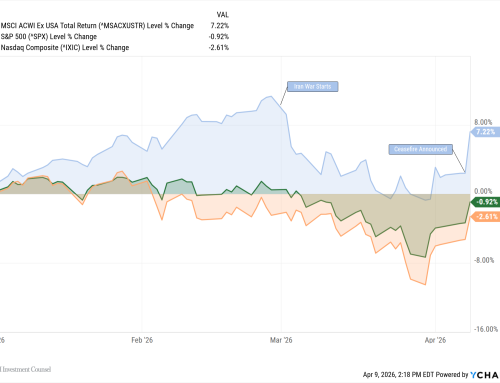
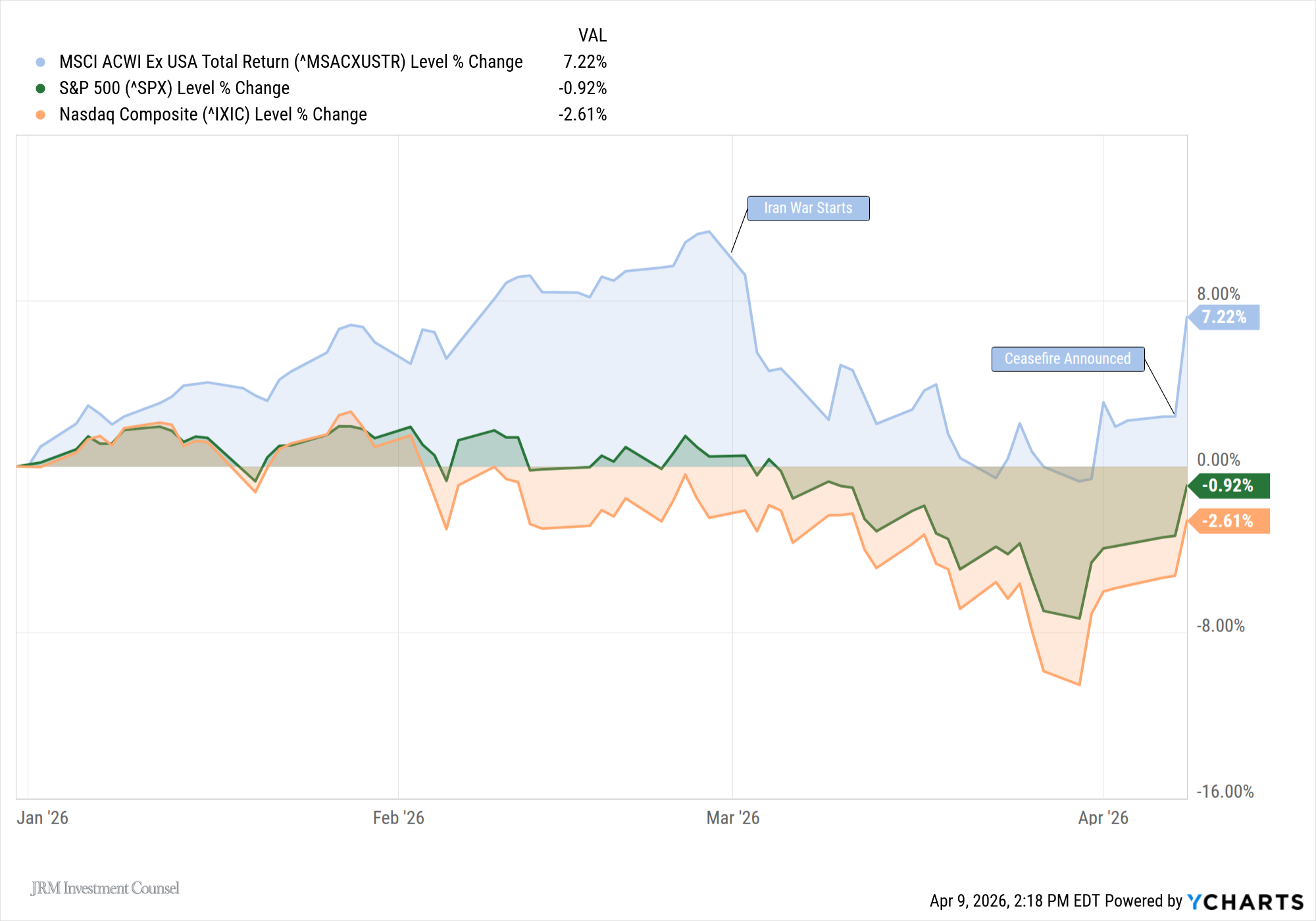
Index returns were strong during the second quarter. The S&P 500 gained 15.2%, international equities also advanced, with the MSCI EAFE Index rising 10.8% and the MSCI Emerging Markets Index advancing 24.1%. Fixed income returns were modest, with the Bloomberg U.S. Aggregate Bond Index up 0.7% and the S&P Preferred Stock Index gaining 2.4%.
The second quarter reinforced that this is a more nuanced environment than headline index returns may suggest. Economic growth is slowing but not stalling. Inflation reaccelerated, monetary policy remained in focus, and investors adjusted to a new Federal Reserve Chair and a less predictable rate path.
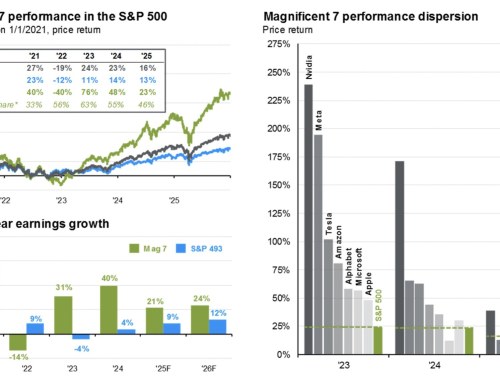
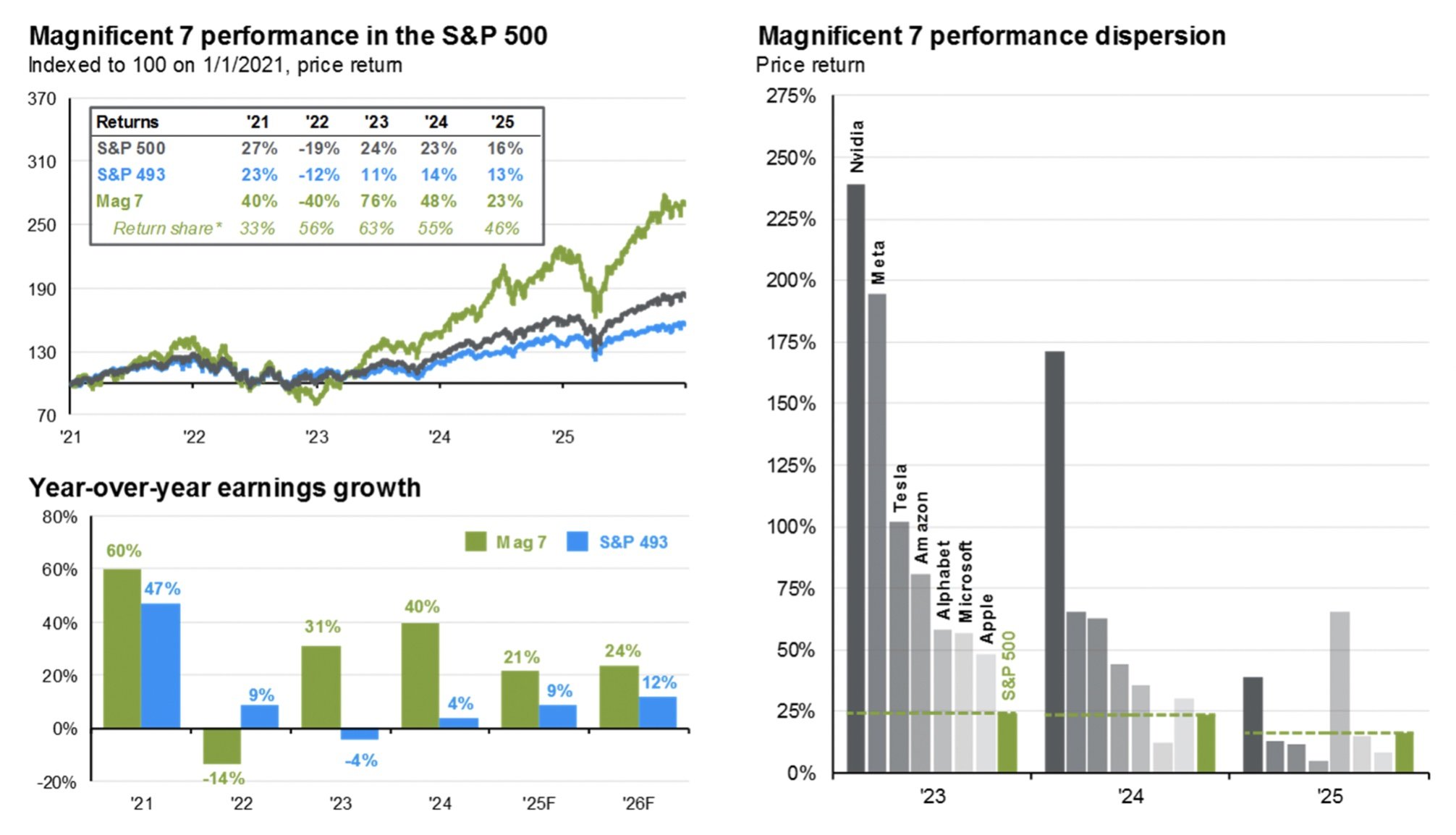
Beneath the surface of the equity market, leadership continues to broaden beyond the Magnificent Seven that drove much of the market’s gains over the past several years. This is not a market that calls for dramatic portfolio changes, but it is one that rewards discipline, diversification, and valuation awareness.
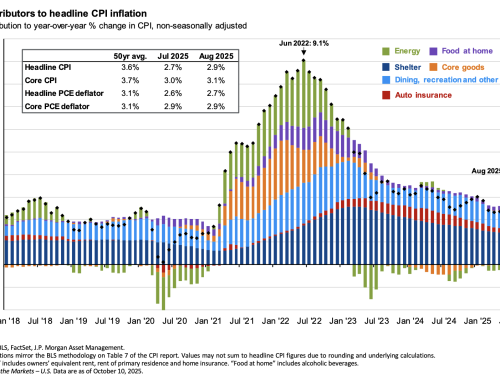
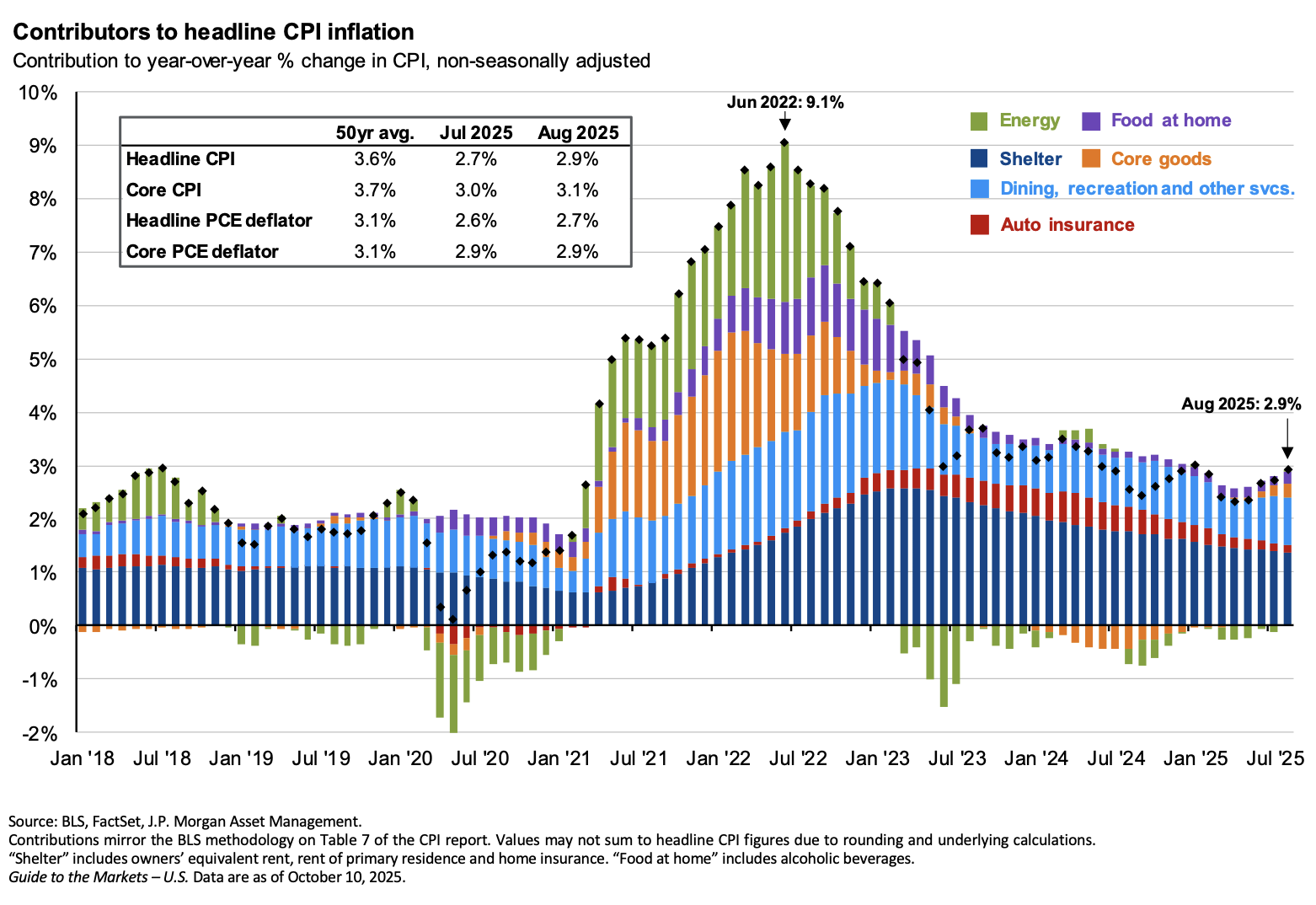
One of the most significant economic developments during the quarter was the reacceleration in inflation. Headline CPI rose to 4.2% in May, up from 3.8% in April, driven largely by the energy spike tied to the war in Iran. While core inflation remained lower, the increase in headline inflation is impactful because energy prices are felt immediately by households through gasoline, utilities, transportation, and other everyday expenses.
The recent inflation increase also helps explain the disconnect between economic data and consumer sentiment. The labor market has become more uneven, with weaker headline job growth offset by still-low unemployment and continued hiring in select industries.
After stronger job gains earlier in the spring, the June employment report showed a clear slowdown, with nonfarm payrolls increasing by 57,000 and April and May payroll gains revised lower by a combined 74,000 jobs. While disappointing, one report should not be viewed in isolation. Monthly jobs data has been volatile, and the June gain was roughly in line with the average monthly increase over the prior year.
The unemployment rate remained near historically low levels at 4.2%, though the decline from May was partly driven by lower labor force participation. Hiring continued in professional and business services, social assistance, and health care, while leisure and hospitality saw a notable decline.
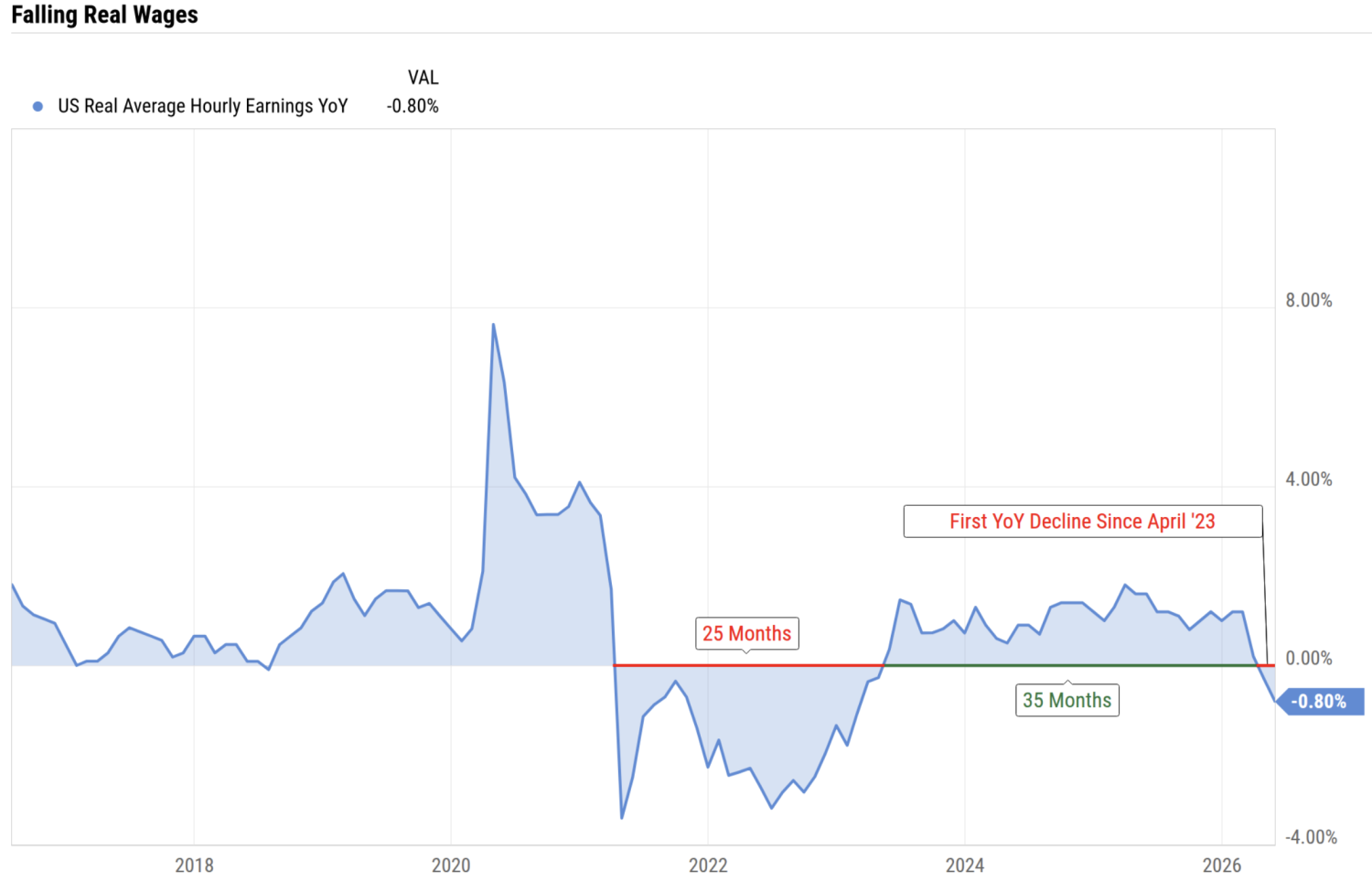
Wage growth also remains central to the consumer story. Average hourly earnings increased 3.5% year over year in June, a pace that is not strong enough to suggest a wage-price spiral, but also not enough to offset the recent increase in inflation. With May CPI running at 4.2%, wage growth is again trailing inflation, reducing household purchasing power.
As the chart shows, real average hourly earnings declined 0.8% year over year in May, marking the first annual decline in nearly three years.
This does not mean consumer spending will falter, but it does mean households have less purchasing power. When wages fail to keep pace with rising prices, consumers have less flexibility to save, invest, or increase discretionary spending. Over time, that can weigh on economic growth, particularly if higher energy prices, food costs, or borrowing costs continue to pressure household budgets.
It also helps explain why consumer sentiment remains weak despite an economy that is still growing and a labor market that remains historically tight.
Recent GDP growth has been supported by business investment, particularly in technology, equipment, and infrastructure. This spending has helped offset softer consumer momentum but we are cautious about viewing it as an unqualified positive. The long term benefit will depend on whether today’s investment, especially in AI, ultimately translates into durable productivity gains and adequate returns on capital.
For investors, this distinction matters. The economy is not as weak as consumer sentiment may suggest, but it is also not as strong as headline index returns might imply. We believe this is an environment that calls for balance: diversified portfolios with income while maintaining equity exposure that is selective on valuation and quality.
The reacceleration in inflation also changes the conversation around monetary policy. At the beginning of the year, markets were still anticipating interest rate cuts. By midyear, those expectations have shifted toward a Federal Reserve that may remain on hold for longer, with the possibility of a rate hike in discussion.
Kevin Warsh’s first Federal Open Market Committee meeting as Chairman reflected that more cautious stance. In June, the Fed voted unanimously to maintain the federal funds rate at 3.50% to 3.75%. The Committee noted that economic activity continues to expand, job gains have kept pace with the workforce, and inflation remains elevated relative to the Fed’s 2% target.
The rate decision itself was not surprising. The more consequential development was the shift in communication. In his press conference, Chairman Warsh indicated that the Fed has “dropped forward guidance,” reinforcing a more data-dependent approach to monetary policy. This suggests the Fed will be less inclined to clearly signal the future path of interest rates.
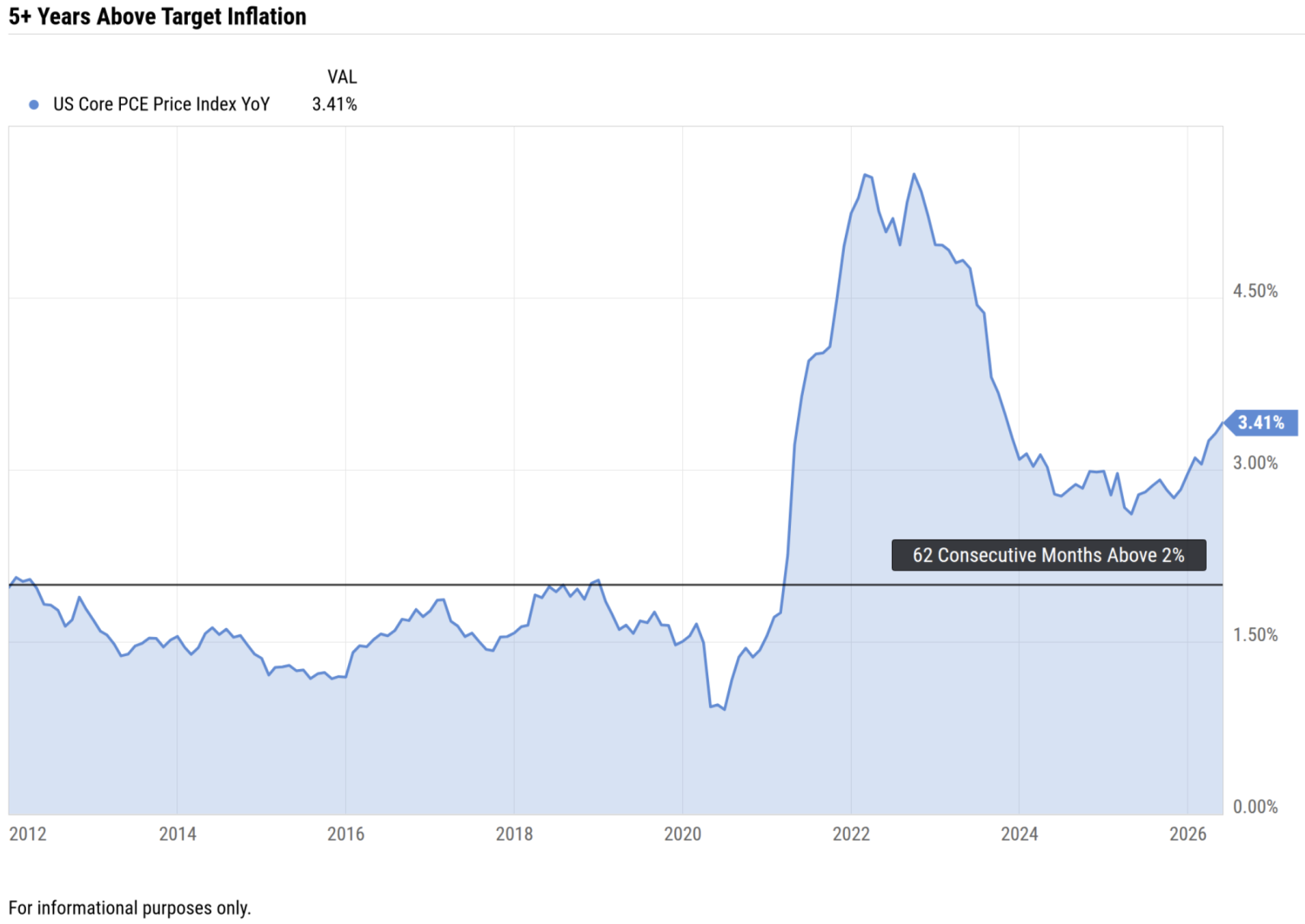
The Fed’s caution is understandable. As the chart above shows, core PCE inflation has remained above the stated 2% target for 62 consecutive months. That is a considerable stretch as the 2% target was only formally adopted in 2012. While inflation has come down meaningfully from its 2022 peak, it has not returned to a level that would allow policymakers to feel confident that price stability has been restored.
From an investment perspective, a less predictable Fed can lead to more market volatility around inflation reports, employment data, and future rate decisions. At the same time, it may be a more realistic strategy for an economy being influenced by several crosscurrents at once: energy prices, geopolitical risk, fiscal policy, labor supply constraints, and changing patterns of capital investment.
In our view, the most likely near-term outcome is a Fed that stays patient. If energy prices stabilize, housing inflation cools, and wage growth remains contained, the Fed may be able to remain on hold rather than tighten policy further. Inflation is still too high for the Fed to declare victory, and investors should not assume that lower rates are imminent.
Higher interest rates and a less predictable Fed have brought valuation discipline back into focus. In our fourth quarter commentary, we discussed the growing concentration of the U.S. equity market and the challenge of distinguishing between transformative innovation and attractive investment opportunity. That framework remains relevant as market drivers continue to broaden.
One notable example is the semiconductor industry and related infrastructure companies. So far this year, semiconductors and select hyperscalers have outpaced the broader market, even as the Magnificent Seven cohort has lagged. Rather than trying to predict which software or consumer platform will ultimately benefit most, investors have gravitated toward the companies supplying the chips, memory, and hardware that underpin those businesses.
Some of these infrastructure leaders have already translated demand into strong growth and profitability, but the investment cycle still carries uncertainty. Future returns will depend on how durable end‑demand proves to be, whether capital spending remains disciplined, and how quickly competition and innovation narrow today’s advantages. Over time, additional capacity and new entrants could allow supply to catch up with, or exceed demand, pressuring margins in areas that currently appear capacity constrained. Even if the underlying technologies are transformative, investors should expect leadership within semiconductors and related infrastructure to evolve as the cycle matures.
Other areas of the market have begun contributing more to returns. Year-to-date large cap value and small cap stocks have outpaced the S&P 500 by 7.7% and 11.2%, respectively. Both have benefited from more attractive starting valuations, improving earnings expectations, and renewed interest in areas of the market that were largely overlooked during the long run of mega-cap technology outperformance.
Bull markets rarely advance in a straight line, and leadership rarely remains static. It is common for the strongest areas of the market to pause or consolidate while other sectors, styles, and market capitalizations begin to contribute.
The S&P 500 remains both expensive and concentrated. As of June 30, the index traded at 20.4 times forward earnings, compared with a 30-year average of 17.2 times, and the top ten companies accounted for nearly 40% of the index’s total market value. Elevated valuations do not mean markets must decline, but they do reduce the margin of safety if earnings, interest rates, or investor sentiment disappoint.
Our investment philosophy has never depended on owning the most popular segment of the market. We have traditionally favored an approach built around valuation discipline, income generation, and broad exposure across asset classes, consistent with each client’s financial plan, goals and objectives.
These areas will not lead in every quarter. Small-cap stocks can be more volatile and more sensitive to economic growth. International equities can be affected by currency movements and regional risks. Value-oriented equities can lag during periods when investors are willing to pay higher prices for future growth. However, each of these areas plays a valuable role in building portfolios that are not overly dependent on a single sector, country, or investment theme.
Higher interest rates have also restored the role of income within portfolios. For much of the post-financial crisis period, investors earned very little from traditional fixed income. That environment has changed. Today, bonds and other income-oriented securities once again offer attractive yields, which can provide both return potential and portfolio stability.
While core bonds remain an important part of diversified portfolios, we continue to find attractive opportunities in preferred stocks. Preferred securities typically offer a yield premium over traditional investment-grade bonds, compensating investors for their hybrid structure and additional credit and interest rate sensitivity. With rate cuts far from guaranteed and inflation still above target, that income premium is valuable.
This focus complements our equity positioning. Broader equity market participation and income opportunities both reinforce the same core idea: investors benefit from owning a range of assets that can contribute in different ways across evolving market dynamics.
The investment backdrop remains constructive for disciplined, diversified portfolios. Market gains are broadening, and higher yields have restored the role of income within portfolios.
We are not attempting to predict moves in inflation, interest rates, oil prices, or market direction. We believe client portfolios are well positioned for the long term: diversified across asset classes, tilted toward areas with more attractive valuations, and supported by income-producing securities.
Please reach out if you would like to review your portfolio or financial plan. We are grateful for your continued trust and confidence.
Respectfully,
The JRM Investment Counsel Team
Jack, Phil and Lauren