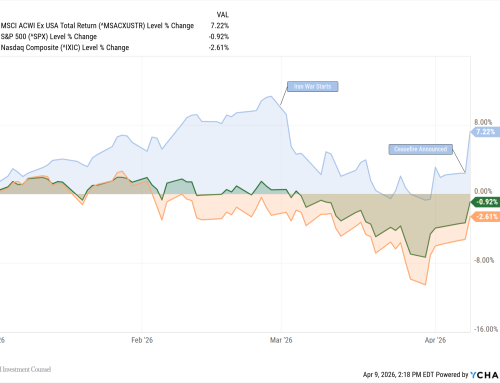
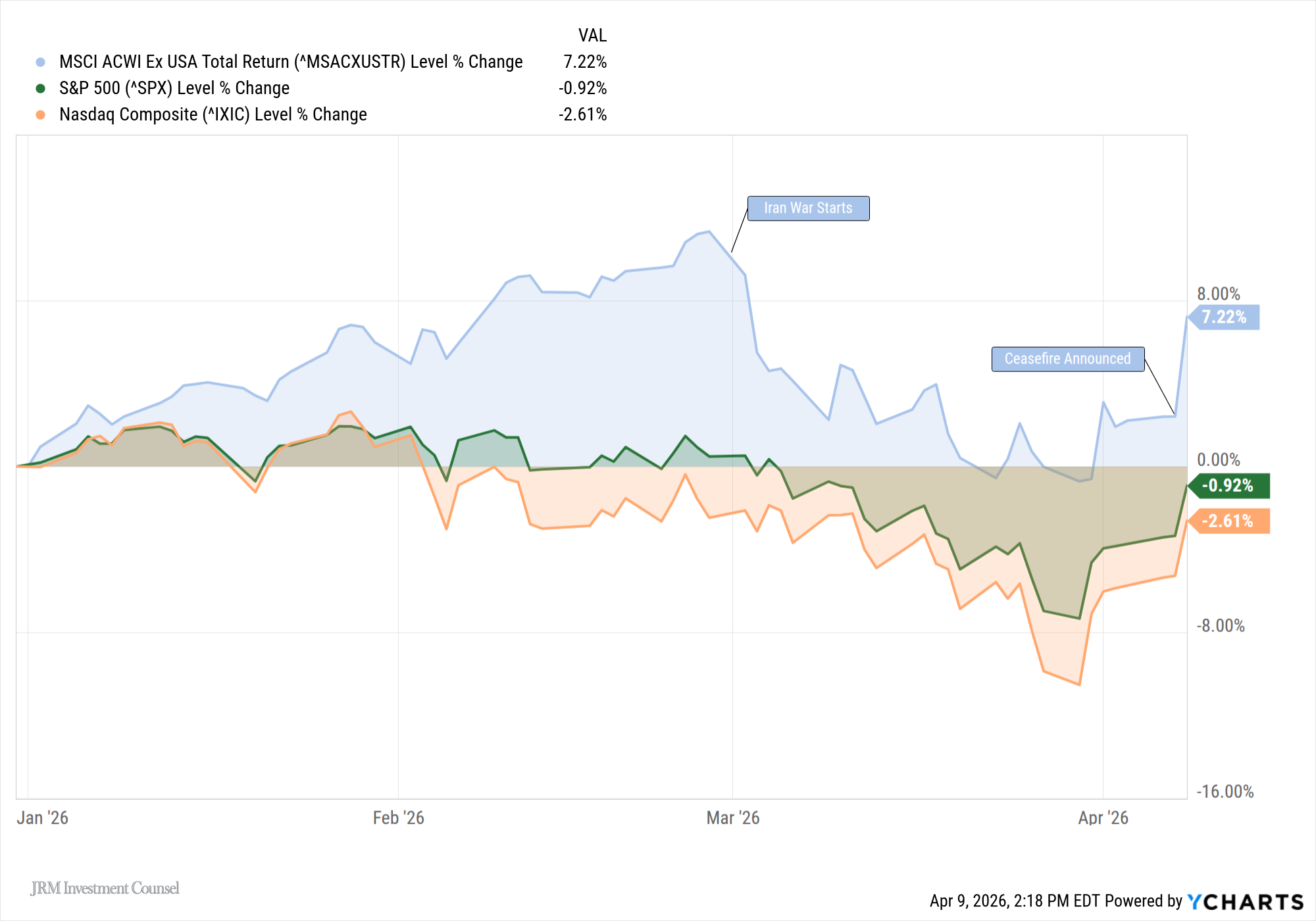
The third quarter delivered broadly positive results for investors. Emerging markets led the way at 10.6%, the S&P 500 rose 8.1% and developed international markets were also positive, up 4.8%, a reminder that opportunities remain broad-based across regions. Bonds posted modest gains as yields stabilized following the Fed’s September rate cut.
Beneath the surface, the picture is less straightforward. Market leadership remains heavily concentrated in a small group of mega-cap technology companies tied to artificial intelligence. These businesses have been powerful drivers of growth, but narrow leadership always leaves the broader market more vulnerable if sentiment shifts.
Valuations remain front and center. The S&P 500 is priced at 22 times forward earnings, representing peak valuation of the prior 20-year range. The ten largest companies account for nearly 40% of the index and are valued around 30 times earnings, a reflection of their quality, but also of how far stock prices have advanced relative to underlying profits.

By contrast, international markets continue to be valued at a meaningful discount, with developed markets around 15 times earnings and emerging markets closer to 14 times. Dividend yields abroad are generally higher, and with the U.S. dollar off its recent highs, yet still relatively strong, non-U.S. equities could continue to benefit from both attractive valuations and currency tailwinds.
This year may mark the beginning of a leadership shift. For more than a decade, U.S. equities have dominated global markets, but history shows leadership tends to move in long cycles. International equities have already outperformed in 2025, and with lower valuations, stronger relative earnings in certain regions, and favorable currency dynamics, the performance gap could continue to narrow. Over time, we expect returns between U.S. and international markets to converge more closely. Maintaining global diversification ensures portfolios are positioned to participate if this cycle of international strength persists.
Opportunities remain beyond domestic large-cap growth leaders. Small-cap and value stocks, long out of favor, are beginning to recover and could see improved relative performance if market leadership broadens. Bonds and preferred stocks offering compelling yields, along with alternative assets that have low correlations to traditional markets, remain valuable portfolio complements. They provide income and diversification, but require a thoughtful approach to liquidity.
Inflation has improved meaningfully from its 2022 peak, yet it remains sticky in areas such as housing, healthcare, and services, with about 60% of all items in the CPI index increasing by at least 3%, annualized. Low energy prices have offset inflation in other categories, but tariffs are flowing through supply chains, keeping input costs elevated and challenging the path back to the Fed’s 2% target.

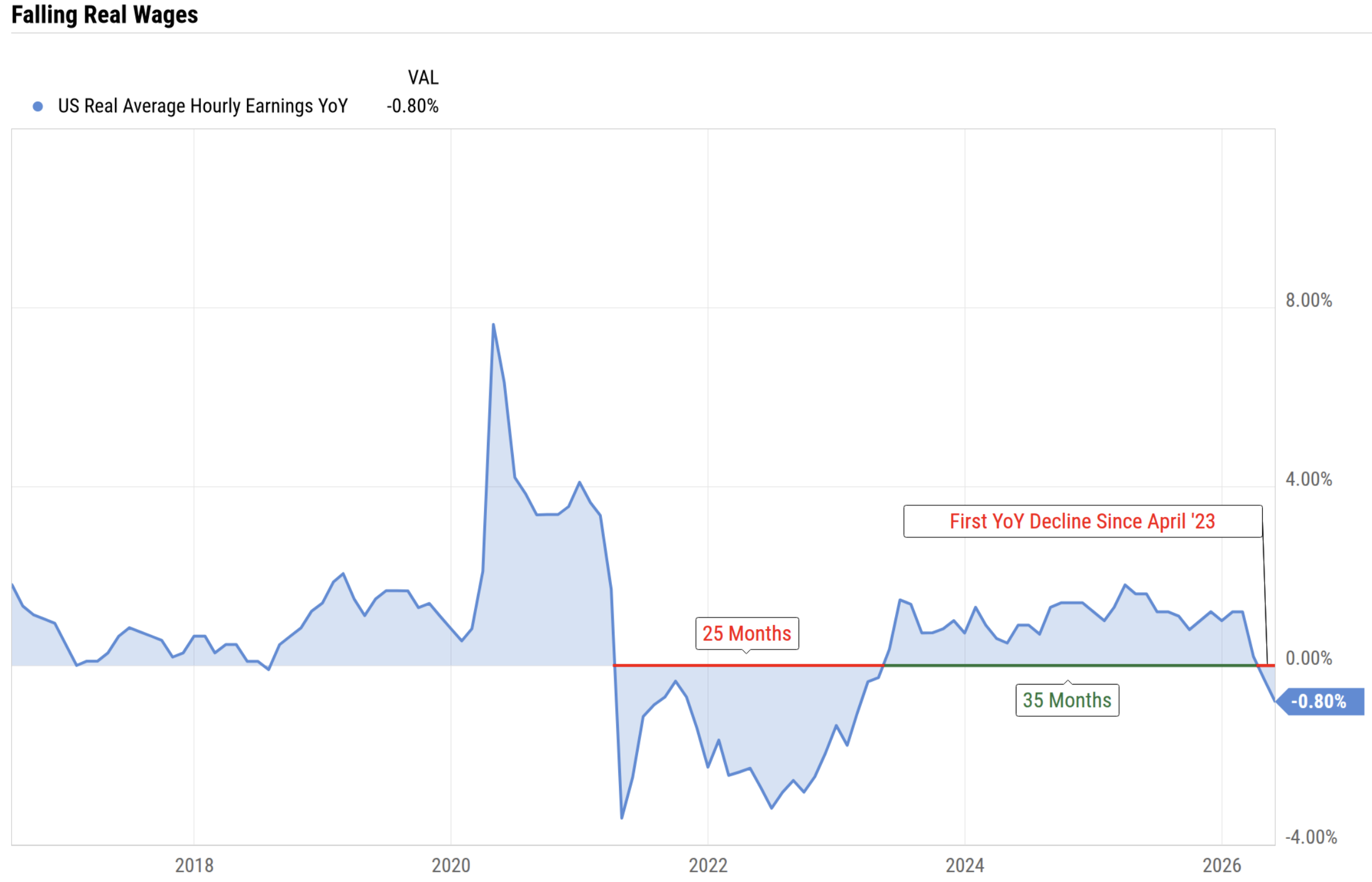
The labor market, a key source of economic strength in recent years, is showing signs of strain. September payroll data revealed unexpected job losses, earlier estimates were revised lower by nearly a million jobs, and unemployment has edged higher. Monthly job creation is running at its weakest pace in several years. Consumer spending remains steady for now, but a softer labor backdrop could threaten growth as we move into 2026.
The Federal Reserve resumed its easing cycle in September with a modest 25 basis point rate cut. Slower job growth provides some flexibility, but with GDP and inflation both above 3%, policymakers remain cautious. Cutting rates too aggressively could make it harder to bring inflation back to target.
Markets anticipate additional cuts in the coming year, resulting in a “J-shaped” yield curve where yields decline from short maturities through the two-year term, then gradually rise at longer durations. Credit spreads for both investment grade and high yield corporate bonds remain tight, with yield premiums over Treasuries well below historical averages.

These conditions reflect expectations for a near-optimal outcome in the U.S. economy: continued disinflation alongside positive growth, lower short-term rates, stable employment, and improving corporate credit and earnings. The future, of course, rarely unfolds exactly as expected. We must consider the range of possible outcomes…both positive and negative…that could influence capital markets and portfolio returns.
Risks remain. Inflation could stay higher for longer, the government shutdown may have lingering effects, and the labor market could weaken further. Elevated valuations leave equities more vulnerable to disappointment, while policy missteps or geopolitical tensions could add volatility. These conditions highlight the ongoing importance of discipline, diversification, and patience.
At JRM, our approach remains consistent. We continue to trim positions where valuations appear stretched, lean into international and smaller-cap markets where risk-adjusted returns are more compelling, and take advantage of attractive yields in fixed income. Periods of volatility create opportunities to rebalance and strengthen portfolios rather than reasons to retreat.
As we enter the final quarter of 2025, the path forward is narrow but navigable. Inflation has eased, though progress has slowed. Tariffs are adding to costs, wage growth remains firm, and the labor market is gradually softening. Domestic equity valuations are demanding, but opportunities exist across international markets, smaller companies, and income strategies that had been unavailable for much of the past decade.
Our guidance is straightforward: stay diversified and focused on the long term. While markets and headlines can shift quickly, portfolios grounded in quality and balance are best positioned to weather uncertainty and benefit from the opportunities that follow.
Please reach out if you would like to review your portfolio or financial plan as we close out 2025.
Respectfully,
The JRM Investment Counsel Team
Jack, Phil and Lauren